In today's rapidly changing business environment, flexibility in the workplace has become a critical component for employee satisfaction and productivity. However, with increased flexibility comes the challenge of maintaining accountability. Striking the right balance between these two elements is essential for the success of any organization.
This article explores strategies to ensure that flexibility and accountability coexist harmoniously in the workplace.
The Importance of Flexibility

Image courtesy: Unsplash
Flexibility in the workplace can take many forms, including remote work, flexible hours, and job sharing. It offers numerous benefits, such as:
Enhanced Employee Well-being
Flexibility allows employees to balance their work and personal lives better, reducing stress and improving overall well-being.
Increased Productivity: Employees who have control over their work schedules often report higher productivity and job satisfaction.
Talent Attraction and Retention: Offering flexible work options can make a company more attractive to top talent and help retain valuable employees.
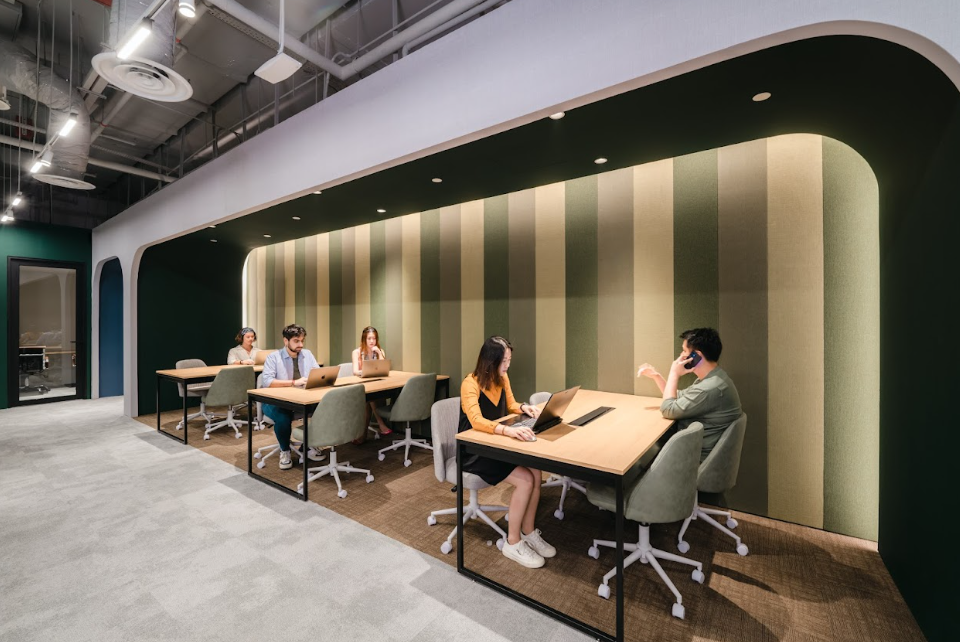
Need a new environment away from home and the office? Work flexibly and remotely with GoStaytion!
The Necessity of Accountability
While flexibility is crucial, accountability ensures that business goals are met and that employees remain responsible for their tasks. Key aspects of accountability include:
Clear Expectations: Employees need to understand their roles, responsibilities, and the standards they are expected to meet.
Regular Check-ins: Frequent communication between managers and employees helps keep everyone on track and addresses any issues promptly.
Performance Metrics: Establishing measurable goals and tracking progress helps maintain focus and accountability.
Strategies for Balancing Flexibility and Accountability
Set Clear Objectives and Key Results (OKRs)
- Define specific, measurable objectives and the key results needed to achieve them. This approach provides clarity and ensures everyone is working towards the same goals.
Implement Robust Communication Tools
- Utilise communication platforms like Slack, Microsoft Teams, or Zoom to facilitate regular check-ins, team meetings, and updates. Effective communication is the backbone of maintaining accountability in a flexible work environment.
Foster a Results-Oriented Culture
- Shift the focus from hours worked to outcomes achieved. Encourage employees to take ownership of their tasks and measure success based on results rather than time spent.
Provide Autonomy with Accountability
- Empower employees to make decisions about their work while holding them accountable for their performance. This approach builds trust and encourages a sense of responsibility.
Regular Performance Reviews
- Conduct regular performance reviews to assess progress, provide feedback, and set new goals. This helps ensure that employees stay aligned with organisational objectives.
Encourage Open Feedback
- Create a culture where employees feel comfortable giving and receiving feedback. Open feedback loops help identify issues early and provide opportunities for continuous improvement.
Train Managers in Remote Leadership
- Equip managers with the skills needed to lead remote or flexible teams effectively. This includes training in communication, empathy, and performance management.
Conclusion
Balancing flexibility and accountability in the workplace is not just possible; it is essential for modern organisations. By setting clear objectives, leveraging technology, and fostering a results-oriented culture, businesses can enjoy the benefits of flexibility while ensuring that accountability remains intact.
This balance not only enhances employee well-being and productivity but also drives overall organisational success.
Maximise your productivity with Staytion now!
Comments
Join the discussionNo comments yet. Be the first to comment.